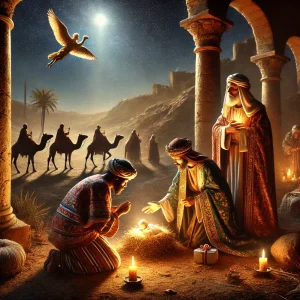
There is no historical record of the date of birth of Jesus. There is only speculation – some say it was in the spring, others that in the fall – but no one knows for sure which day Jesus was born. There is no historical evidence that he was born on December 25. It is also quite certain that there was no Christmas tree, carp or carolers back then. So why do we celebrate his birth on December 25? And why the tree, carols and other contemporary traditions?
People actually began to celebrate the birth of Jesus in December around 350 AD. After that, it took hundreds of years before Christmas was received to a greater extent as a celebration of Jesus’ birth among Christians, mainly because most of our modern Christmas traditions have their roots in ancient pagan history. December 25 was originally celebrated as the day of the birth of the son of the Egyptian goddess Isis. Celebrating, feasting and giving gifts was part of this celebration. The Romans welcomed the annual solstice with food, drink and celebrations. The tradition of carols, or ‘masquerades,’ as they were then called, also comes from Rome. The carolers changed into costumes, went from house to house to sing and entertained their neighbors. The Christmas tree comes from European traditions, as green trees were considered a symbol of good luck. Druids (Celtic priests) used green trees all year round as a religious symbol and even worshiped the trees themselves. When people were converted throughout the Roman Empire, many of their traditions moved into celebrating Christmas.
And why am I telling you all this? Some people use these facts to cast a negative light on Christmas. Those who do not believe often use these facts to mock Christianity, saying that it is just a ‘copying’ of other religions. On the opposite side, some Christians refuse to celebrate Christmas because of the pagan background of some traditions. Both of these reactions are sad in my opinion.
Jesus understands the wide variety of cultures and origins of people. And instead of asking people to give up everything they enjoy and enjoy, it becomes part of their world. Jesus meets us where we are. We don’t have to have a huge knowledge to find it. He doesn’t insist that we change before he accepts us. He does not wait for us to reach a certain degree of perfection to accept us. Jesus says that he will accept anyone who comes to him, and no matter who he is, he will not reject him. Whoever comes to him will accept him with open arms.
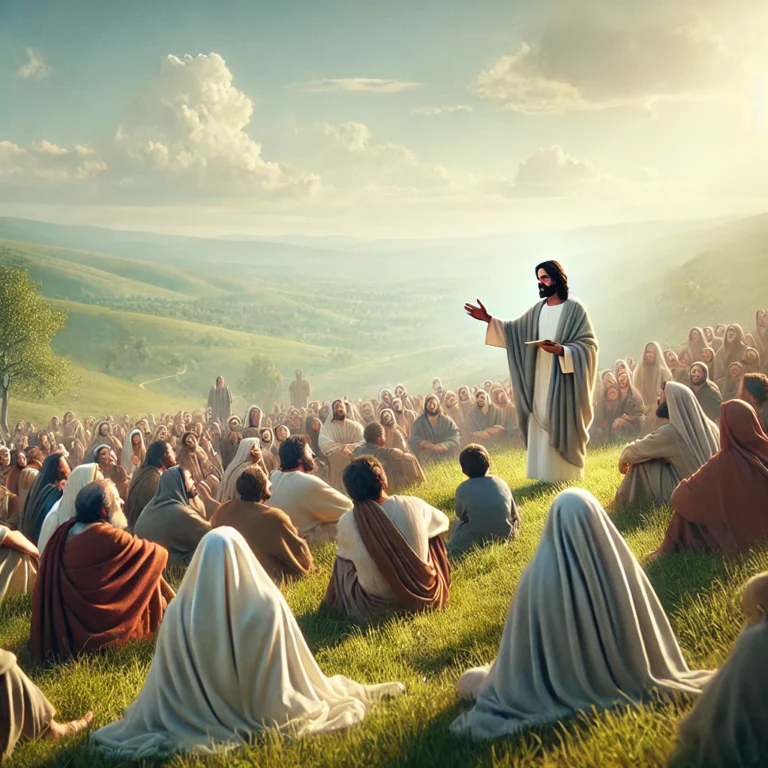
When I read about the life of Jesus, I was interested in how he adapted to meet the needs of every person he met. When he was with Nicodemus – an intellectual, a high member of the temple council – Jesus spoke to him in a way that provoked his interest and was a challenge to his intellect. When Jesus was with the children, he took them in his arms and talked to them. When he was with unbelievers or sinners, he went to their homes, ate, drank and laughed with them. Several times when he taught large crowds and saw that they were hungry – he fed them!
Whether for the crowd or the individual, Jesus always did whatever was needed to make people feel his love and sincere interest.
So Jesus lived and died, and it is also the main reason why he came to earth. He was like us. He took on the human body, went down and walked through what we did. He struggled with everyday life, hunger and fatigue. Maybe he felt exhausted at times. But he experienced what it’s like to be human to know what we’re feeling and understand what’s important to us.
It can accept what we know and love – what is important to us, such as the Christmas tradition, and can give them an even deeper meaning.
So when you rejoice at Christmas, when you unwrap presents, sing carols and enjoy good food, let it remind you how deeply Jesus loves you. Allow each of these Christmas traditions, which make you so happy to remind you of the great gift that Jesus gave to each of us when he descended to earth, lived here and died for us. tho M. Story